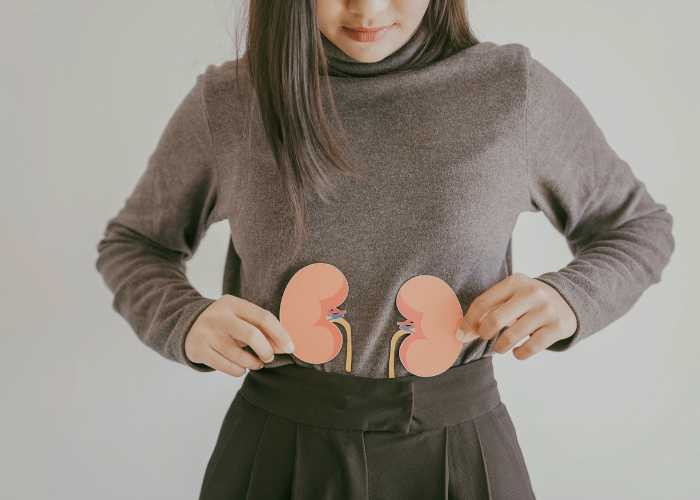
Chronic Kidney Disease (CKD) is often referred to as a silent condition because it tends to develop slowly and usually has very mild symptoms at the start. Many individuals go about their daily lives without realizing that their kidneys are gradually losing their ability to function. By the time more noticeable symptoms arise, significant damage might have already taken place.
Recognizing the early signs of chronic kidney disease is really important since catching it early can help slow down its progression, avoid complications, and enhance long-term outcomes.
What Is Chronic Kidney Disease?
Chronic Kidney Disease is a long-term condition characterized by the gradual loss of the kidneys’ ability to filter out waste, excess fluids, and toxins from the bloodstream. Unlike sudden kidney failure, CKD develops over months or even years.
People with high blood pressure, those on long-term medications, a family history of kidney issues, or lifestyle-related risk factors are more likely to develop CKD—even if they feel completely fine.
Why Early Symptoms of CKD Are Often Overlooked
- Symptoms are usually mild and vague.
- They can easily be mistaken for stress, aging, or dehydration.
- There’s often no pain during the early stages.
- Many people skip regular kidney tests.
Given all this, being aware of the early warning signs of chronic kidney disease is crucial.
Early Signs of Chronic Kidney Disease Not To Ignore
1.Constant Fatigue and Low Energy
Feeling exhausted all the time, even after a good night’s sleep, can be an early indication of CKD. When the kidneys aren’t working properly, toxins can accumulate in the blood, leading to weakness and difficulties with concentration.
2.Alterations in Urination Patterns
Subtle changes that often go unnoticed include:
- Needing to urinate more often at night.
- Foamy or bubbly urine.
- Dark urine.
- Trouble starting urination.
These might suggest protein leakage or decreased kidney filtering ability.
3.Swelling in Feet, Ankles, or Face
When kidneys fail to get rid of excess sodium and fluid, swelling (edema) can happen—especially noticeable in the feet, ankles, hands, or around the eyes.
Many people blame their swelling on being on their feet too long or working too hard, but persistent swelling should be checked out by a doctor.
4.Loss of Appetite and Nausea
An accumulation of waste products in the blood can mess with digestion, leading to:
- Loss of appetite.
- A metallic taste in the mouth.
- Mild nausea or even vomiting.
These symptoms are often brushed off or attributed to other issues like acidity or gastritis.
5.Trouble Concentrating or Brain Fog
When kidney function dips, it can affect the oxygen flow to the brain, resulting in difficulties with focus, confusion, or memory. Often, this gets mistaken for stress or mental fatigue.
6.Muscle Cramps and Restlessness
An imbalance in electrolytes—especially low calcium or high phosphorus—can lead to muscle cramps, particularly at night.
Healthy kidneys help maintain the right balance of minerals and nutrients. When kidney function declines, the skin may become unusually dry and itchy, even without any visible rashes.
Fluid buildup in the lungs or anemia related to kidney disease can make you feel breathless, even during light activity.
Who Is More Likely to Develop Chronic Kidney Disease?
You should definitely be more cautious if you:
- Have long-term high blood pressure.
- Frequently use painkillers.
- Have a family history of kidney disease.
- Are over 40 years old.
- Lead a sedentary lifestyle.
- Don’t stay well-hydrated.
How Is Chronic Kidney Disease Diagnosed Early?
Catching CKD early is possible through straightforward tests like:
- Serum creatinine test.
- Estimated GFR (glomerular filtration rate).
- Routine urine tests.
- Blood pressure checks.
Regular screenings are especially vital for those in high-risk categories.
Why Early Detection of CKD Matters
Identifying CKD early can help:
- Slow down disease progression.
- Lower the risk of kidney failure.
- Prevent dialysis for many.
- Enhance quality of life.
- Avoid complications with the heart and bones.
Making early lifestyle changes and seeking medical advice can really make a difference.
Simple Steps to Protect Your Kidney Health
- Stay well hydrated.
- Avoid unnecessary painkiller use.
- Keep your blood pressure in check.
- Eat a balanced diet.
- Get regular health check-ups.
- Don’t ignore recurring symptoms.
When to Seek Medical Help
If you notice constant fatigue, swelling, changes in urination, or any unexplained symptoms, it’s wise to consult a healthcare professional. Early evaluation can help prevent long-term damage to your kidneys.
Frequently Asked Questions About Chronic Kidney Disease
1.Can chronic kidney disease exist without symptoms?
Definitely. CKD often develops quietly, especially in the early stages, with few or no symptoms at all.
2.Are early signs of kidney disease reversible?
Yes, early-stage kidney damage can often be slowed down or effectively managed with prompt medical care and lifestyle changes.
3.How often should kidney tests be performed?
Those at high risk should get kidney function tests at least once a year or as their doctor recommends.
4.Does chronic kidney disease always lead to dialysis?
Not at all. Catching it early and managing it properly can prevent or postpone the need for dialysis.
5.Is swelling always a sign of kidney disease?
Not necessarily, but persistent or unexplained swelling should always be checked out by a doctor.